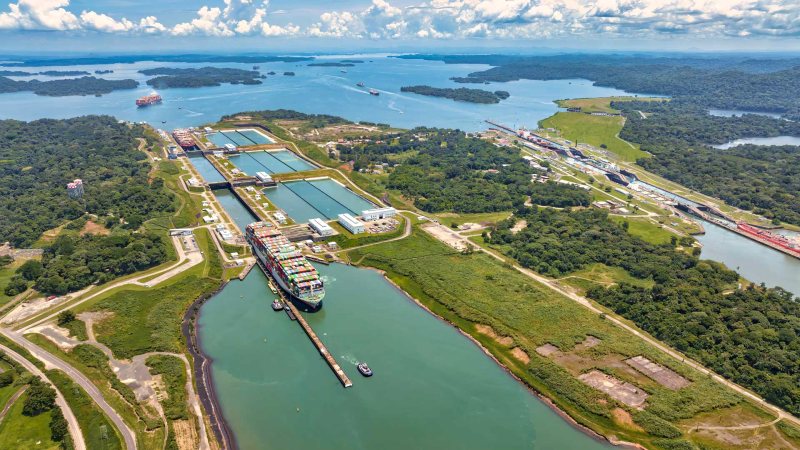







The most recent biweekly report from Alphaliner, covering the first half of February 2025, indicates that the global inactive container ship fleet remains at a very low level, with a capacity of less than 200,000 teu, representing 0.6% of the world's total capacity of 31 million teu. This confirms that carriers are keeping as many ships as possible in operation in response to strong demand driven by geopolitical factors. A key factor influencing this trend is the increase in average sailing distances due to the Red Sea crisis, which has diverted ships around the Cape of Good Hope. The extended routes led to a rise in freight rates in 2024, encouraging shipping companies to minimise idle vessels. The break for the Chinese New Year and the temporary truce between Israel and Hamas have so far had no significant impact on global maritime trade.
While Alphaliner recorded an increase of six idle vessels in the two-week period covered by the report, bringing the total to 71, the rise in capacity was marginal, amounting to just 5,228 teu. This data confirms the trend observed over the past year, during which the inactive fleet has consistently remained below 1% of total capacity. At the same time, the number of ships undergoing repairs in shipyards is increasing, reaching 170 vessels with a combined capacity of 731,872 teu. This is the highest level in the past three and a half months, though it is not considered unusual, as many carriers take advantage of the traditional post-Chinese New Year slowdown to carry out maintenance or technical upgrades on their vessels.
It remains to be seen whether the inactive fleet will expand over the course of 2025. Some factors suggest this may happen. If the Gaza truce holds, container ships could resume transiting the Suez Canal, reducing journey times and thus lowering the demand for capacity. Additionally, new vessels are expected to enter service this year, prompting companies to retire older or smaller ships. Lastly, a potential trade war triggered by US tariffs could reduce cargo volumes on ocean routes.